


Hey Toaster Readers,
This week is sponsored by our friends at Bulldog Media Group.
This week, Carlos drops an editorial piece on where he thinks things are going (or, more accurately, not going) when it comes to the distribution of consumer lending products.
Let’s get toasting!
Carlos Caro, Founder at NMG, Co-Founder of The Free Toaster
Nick Madrid, Co-Founder of The Free Toaster and Uncovered Media
BUT FIRST, A FREE TOASTER EVENT ALERT 👀
The Affiliate Marketing Summit For Lenders & Publishers
87 out of 150 tickets are spoken for. 63 tickets still left!
September 23, 2026 - San Francisco
Target audience: Affiliate marketing leaders at lenders and publishers
Learn more and request an invitation at events.thefreetoaster.com
Thank you to our event sponsors!
Headline Sponsor: Experian
Presenting Sponsors: Engine by Gen and Prism Data
Gold Sponsors: Tare, EXL, and The ICS Corporation.
Where The World Is Going
To anyone paying attention in tech, the future of digital information (and products that rely on digital information) seems pretty obvious.
You’ll hold up your phone, or smartwatch (or insert newest/fanciest device), utter a request in a sentence or two, and what you want will just HAPPEN.
Unlike the first wave of the internet and mobile, where the magic still required meaningful human interaction, this era will be defined by how effortless and fast things will get.
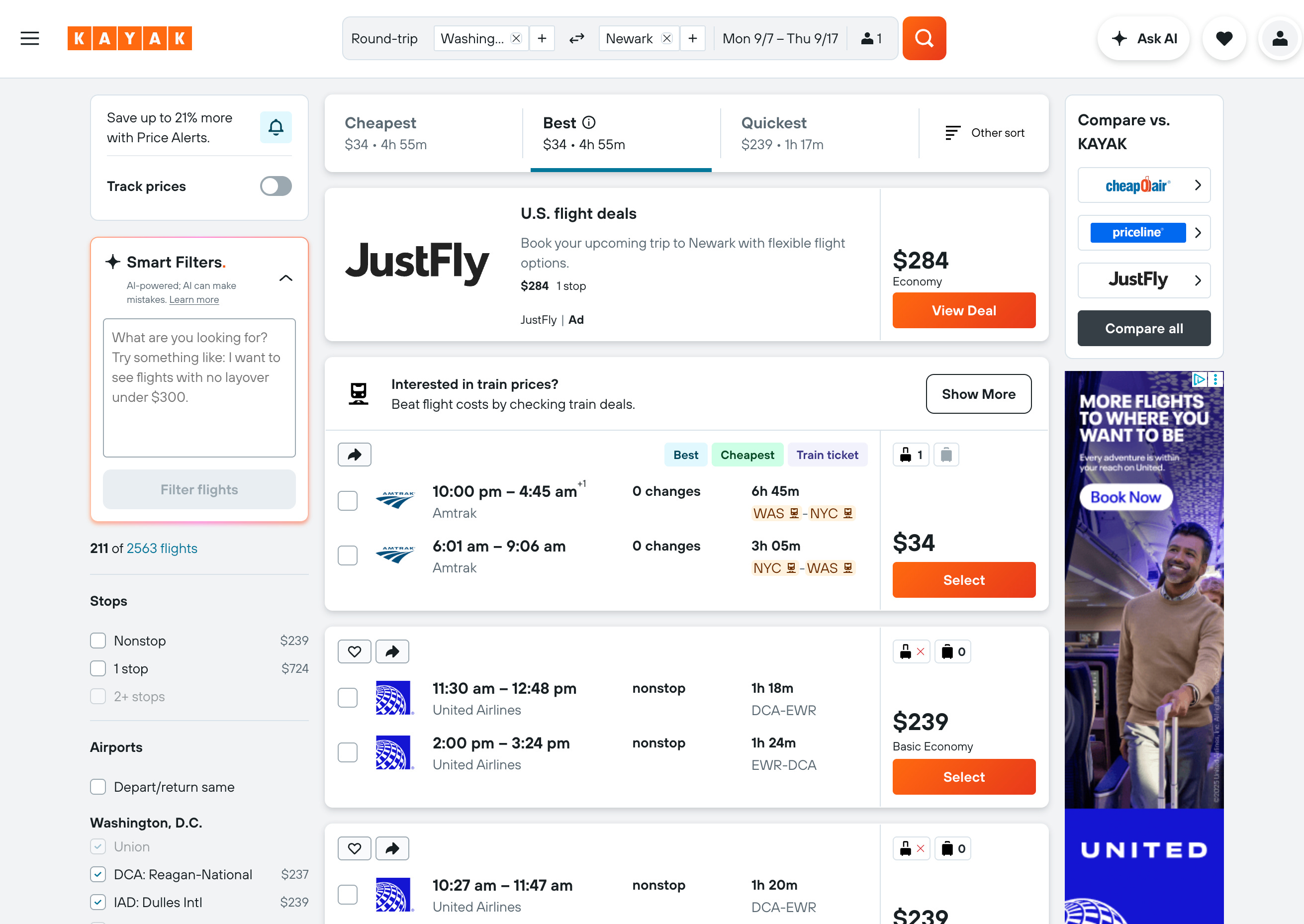
Instead of spending hours on Kayak to find & book the perfect flight, your AI assistant will know your preferences, constraints, hotel bookings, frequent flier numbers, and budget. And instead of making you do the hard cognitive work of deciding, it’ll just act.
Ticket confirmations will magically appear in your inbox.
What used to take hours and real thinking will now take minutes and no thinking at all.
What This Looks Like In Consumer Finance
In the 2010-2026 internet era, refinancing your credit card debt required real work.
First, you had to go calculate how much debt you needed to refinance.
Then, you had to do some math to figure out how much money you stood to save if you refinanced. After all, you were about to put a bunch of work into this and you had to be sure the cost-benefit of the whole thing made sense.
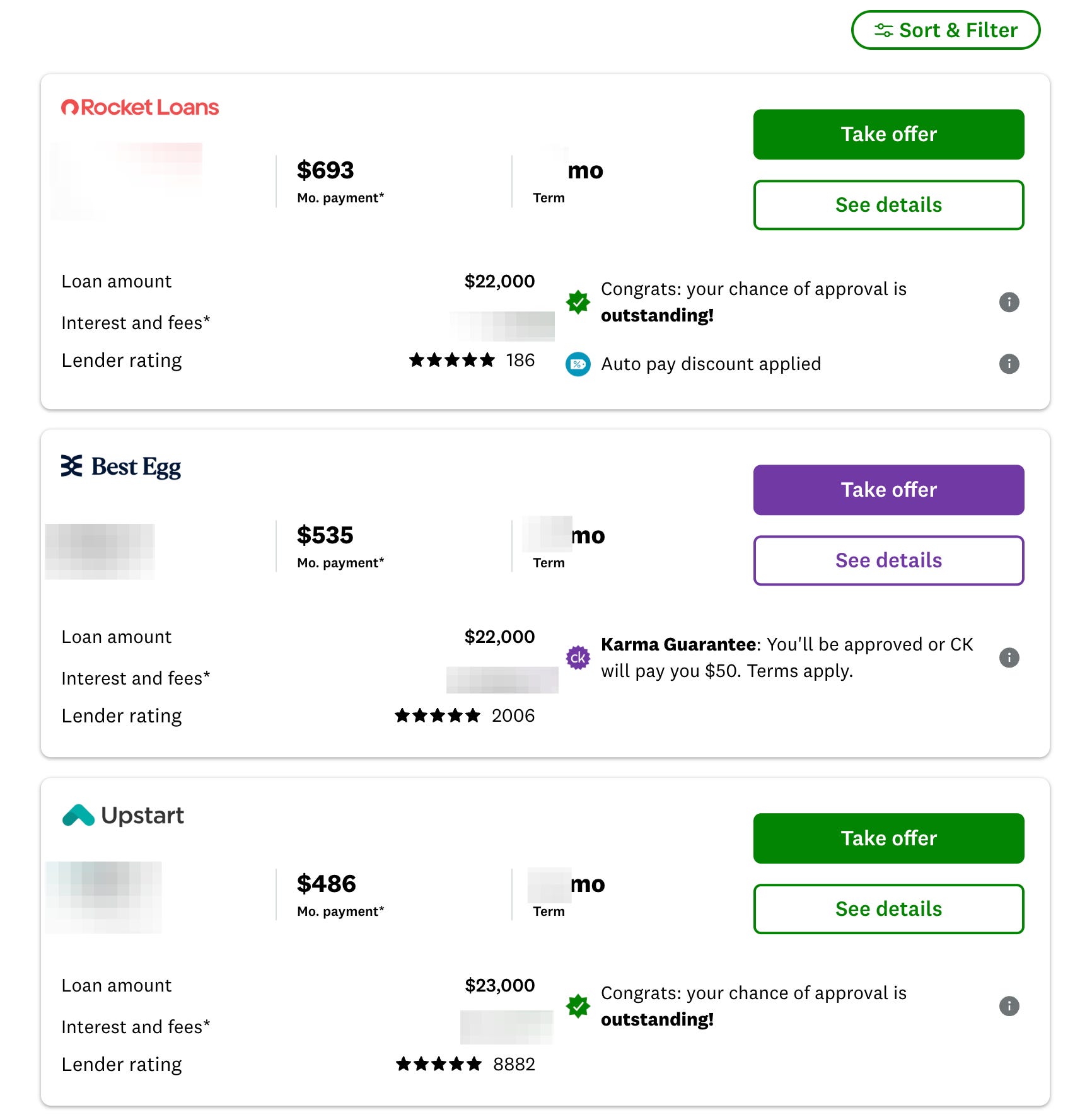
Next, you had to shop around to see which banks (a) had any offers for you and (b) had the best rate for you. And, you had to do this carefully because generating hard inquiries meant lowering your credit score and reducing your odds of a successful transaction.
Then, you had to compare terms & rates.
The lowest rates had shorter terms and the longer terms had higher rates, but lower monthly payments. Crunching all the numbers to understand the total cost of credit (and whether or not your cashflow could handle the monthly payment) was real work.
Lastly, you had to conduct the transaction.
This meant filling out forms online, and then sometimes talking to humans, tracking down W2s or paystubs, sending bank documents to confirm your identity, and so on and so forth.
To complicate matters, you had to be financially savvy to know what to do. Else, this process had to start with hours of online research or talking to friends that could guide you through the process.
We’re a huge step forward from where the industry was pre-internet, but we can do much better.
Sponsored by Bulldog Media Group
Reach the Borrowers Others Miss
Bulldog Media Group specializes in connecting consumer lenders with less than perfect borrowers — a massive, underserved market that requires precision targeting to get right. With 25 years of financial services marketing experience, they deliver qualified leads through affiliate marketing, targeted email, and data-driven acquisition strategies built for this exact audience.
If you’re a lender looking to scale, these are your people.

Our (Fairly Obvious) Future
“Hey Claude, this summer I spent too much on my summer vacation. It’s sitting on my card right now at 29% APR. It’s about $4 grand, but I’m not totally sure the amount. I want to payoff that card in full, and pay that $4 grand off in $100 monthly payments until it’s gone.”
[Claude thinks for 15 seconds]
“Hey there, friend. I found great options for you. (1) A personal loan with Chase, your primary bank. The APR is 9.25%, the monthly payment is $100, and it’ll take 48 months to pay off. It’ll cost you $800 in total interest over the 4 years.
(2) A personal loan with SoFi, a popular digital lender. The APR is 7.00%, the monthly payment is $124, and it’ll take 36 months to pay off. It’ll cost you $464 in total interest over the 3 years.
PS: Your balance on that Chase Amazon card is actually $3,850. I suggest going with a $4,000 loan (most banks like the round numbers), and putting the extra $150 in your checking account.
What option are we going with?”
[human takes 10 seconds to decide]
“Let’s keep everything consolidated with Chase. Option 1.”
“Done. I’ll handle this. You’ll see confirmation emails from the banks in 10 minutes or less. If I need any extra info or approvals, I’ll text you.”
PS: This “future” state is admittedly toned down. The real future of consumer finance is the LLMs knowing your goals, constraints, and preferences, and quietly doing whatever it needs to do with your accounts to make that happen. Some consumers will want to be informed about what their ‘self-driving’ money is doing, and some won’t.
When Will We See This Future In Lending?
We all know consumers are adopting LLMs at unprecedented growth rates.
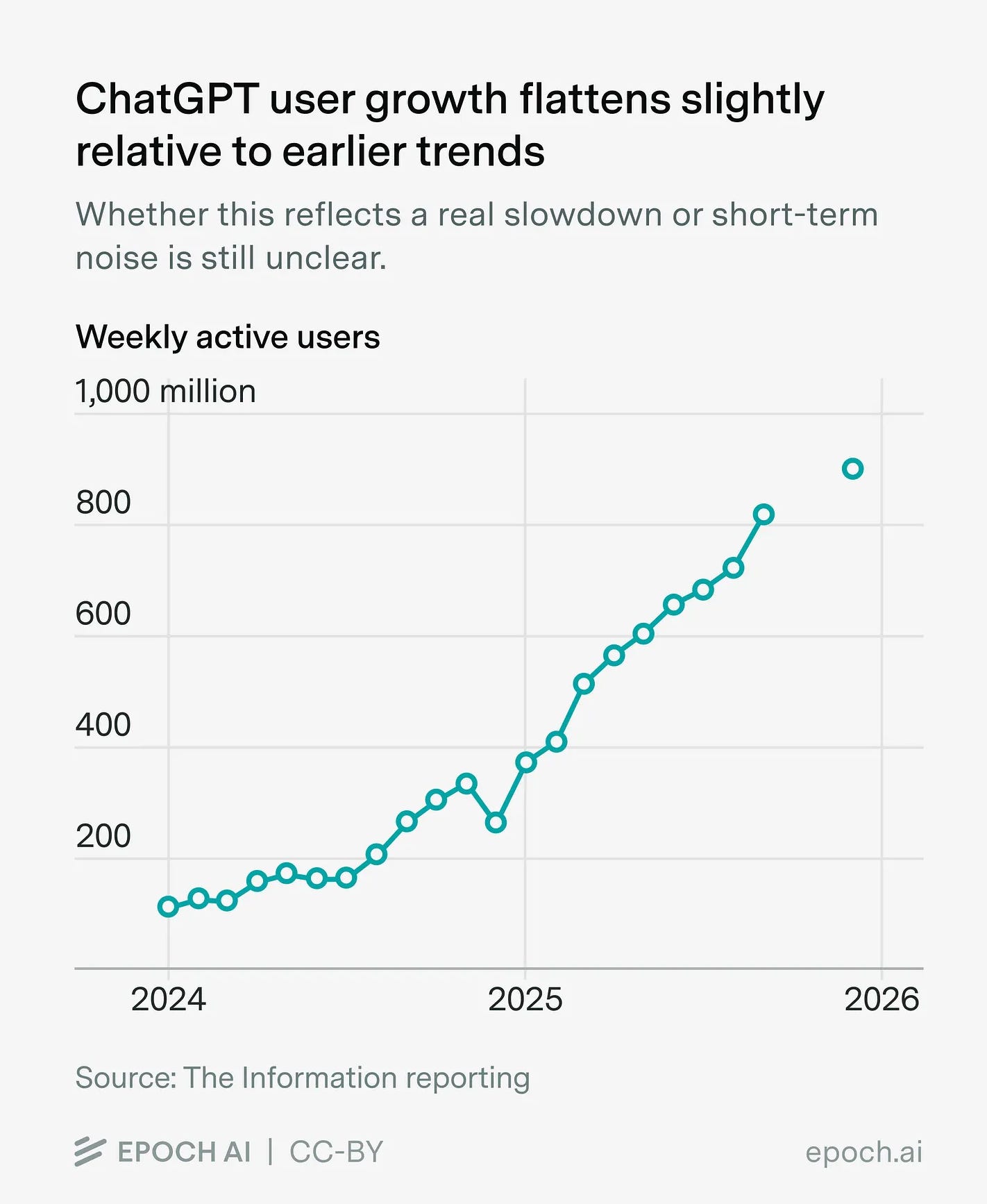
But, when will the default shopping experience for lending products change?
First, we have to overcome 2 blockers:
Blocker #1: Lenders Are Afraid Of What The Machine Will Say
The big lenders aren’t broadcasting this, but it’s what I hear from friends in the industry.
If an LLM describes a product and gets a term wrong—the wrong APR, the wrong fee, an intro period that expired last quarter—we could have a UDAAP issue.
The CFPB said in 2023 that a chatbot giving a consumer wrong information about a fee or rate can constitute a UDAAP violation.
Now put yourself in the compliance leader’s seat.
Marketing walks in asking to feed product data into Claude or ChatGPT where a probabilistic model will paraphrase it—in a way you can’t preview, at a scale you can’t audit, to a consumer you can’t identify.
I don’t know a single compliance professional that would say “sounds great, ship it.”
There’s a phrase that people kick around in the industry that summarizes what’s going on here perfectly:
“No one at a bank has ever gotten fired for saying no”
--Anonymous
But tons of people could get fired for being an early mover in an industry that operates cautiously towards these sorts of things.
Blocker #2: Consumers Don’t Yet Trust Claude & ChatGPT With Their Financial Data
I’m Exhibit A.
LLMs will do a terrific job of finding consumer lending products for us once we trust them enough to hand over our credit profiles and bank accounts. And then, our consent to conduct transactions on our behalf.
I haven’t done that yet.
And I think about this stuff every week (or every day).
I’m as bullish on this future as anyone you’ll meet. And I have not given an LLM access to my financial accounts.
I draw the line at giving it summarized data from my accounts (without my PII or account numbers), so it can help me with analysis.
But my trust stops there.
So I suspect consumers today share context. But, they’re extremely nervous about sharing credentials.
Now here’s the thing about these blockers.
They each support each other and keep each other in place.
Lenders won’t do what’s required to make LLMs effective acquisition channels until they see the consumer demand. And, consumers won’t feed the LLMs the data and consents required to transact until they see a killer app from the banks.
Chicken and egg.
Seems like neither side wants to move first.
The Mobile Banking Déjà Vu
In the early 2010s, I was at a large Fortune 500 bank when mobile banking was the new, cool thing everyone was nervous about.
Will consumers really bank on their phones?
Will they really check their transactions there?
Do we need to bring all the features from the desktop to the phone or just the ability to pay your bill?
In retrospect, these are ridiculous conversations.
But, I remember being in consensus meeting after consensus meeting about this stuff.
Per the Fed’s surveys, only 22% of mobile phone users with bank accounts used mobile banking in 2011. It took until 2015 to reach 43%.
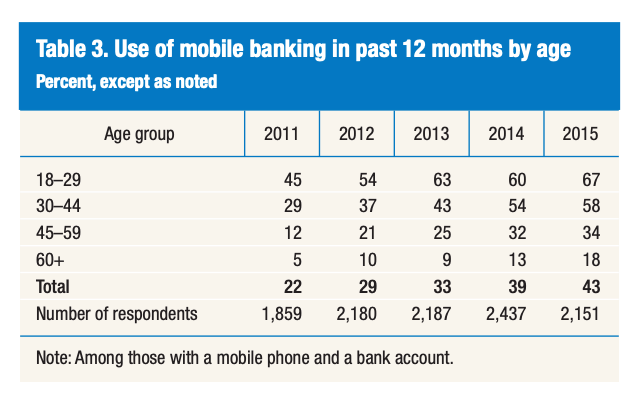
The iPhone launched in 2007 and it took until 2015 for 43% of consumers to bank on their phones.
ChatGPT launched at the end of 2022. That same 8-year timeline puts us at the end of 2030 before banking through an LLM becomes mainstream.
That feels about right.
So Now What?
Most of the lenders I speak with are still sourcing new customers through the same channels they were using 5 to 10 years ago. Direct mail, affiliates, paid search, paid social, and first-party channels.
AI is taking over the world and we read about it daily.
But, very little has changed in our industry.
I hear about affiliate marketplaces toying with AI, but the changes appear to be very early and experimental.
As a CMO at a credit card or loan company, I wouldn’t expect dramatic changes to distribution in the next 12 months.
I’d expect SEO and paid search to get harder as LLMs eat this traffic.
I’d expect affiliates to continue to think about the future when LLMs take over.
I’d expect direct mail and social to hum along.
So, the 3 things I’d start doing now as a CMO would be:
Make sure my organization has a good compliance framework for how we’ll handle LLMs talking about our products
Make sure my account opening tech makes it easy for the LLMs and bots to transact with me (the “buyer” is transitioning from humans to bots)
Make sure I’m investing in my brand. Ad presentation rates and conversion rates in LLMs like Claude and ChatGPT are going to be 10X higher (or more) when the customer mentions me by name
All of these things are going to feel remarkably “un-urgent” until something suddenly happens that makes them feel urgent.
The “no-regrets” move would be to start now on all of ‘em.
I can’t imagine a world where you won’t have to knock them out eventually.
Catch you next week,
P.S.: If you’d like to sponsor or host an event in the consumer lending community in 2026, we’d like to hear from you. Reply to this email or write us at info@thefreetoaster.com.
Absolutely agree with the insights and recommendations you gave. Especially the part on brand. Something that can start even earlier is educating the decision makers early and often. Great read!